Educational Centers

Training Preachers. Teaching Self-Sufficiency.
Faith. Work. Leadership. Growth.
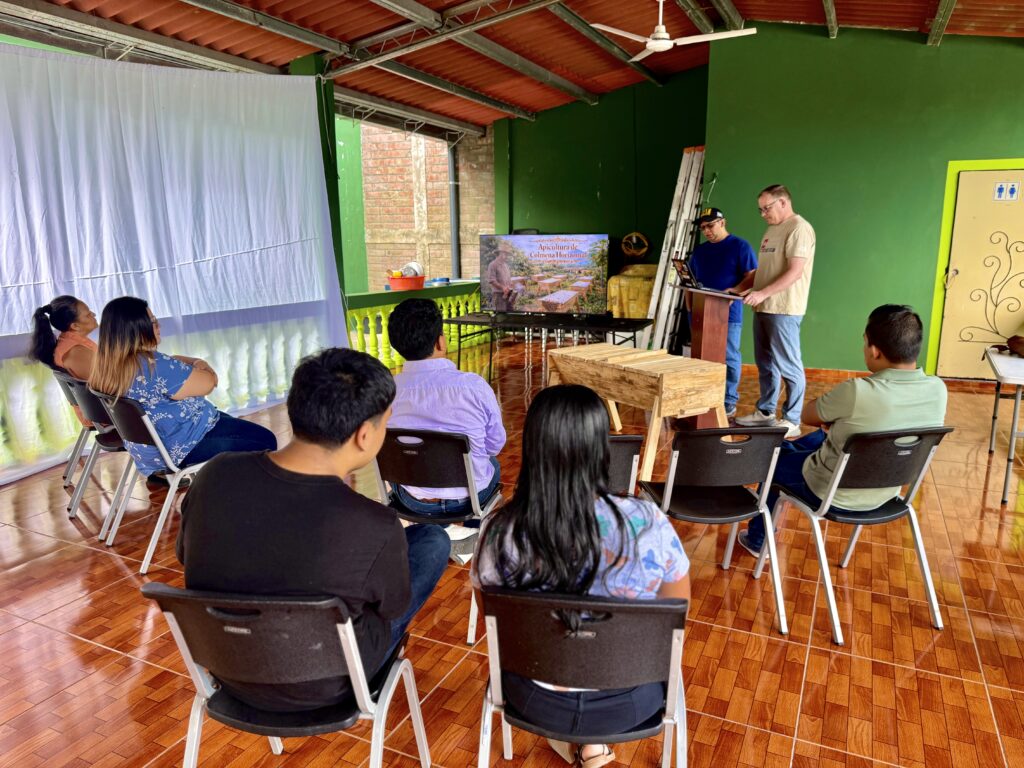
We equip Christians to serve, lead, and provide through biblical training and practical skills. Our two-year Preaching and Agriculture School prepares students for ministry and self-sufficient living by combining sound doctrine with hands-on agricultural education. Through our two Resource Centers, we offer short courses that strengthen biblical understanding and practical farming skills. In addition, we conduct seminars in Bible, agriculture, and vocational trades to encourage, equip, and uplift congregations and communities wherever we are invited.
Facilities include
- Talawanda School of Preaching-Tanzania
- Jhapa Learning Center-Nepal
- Wang a'Rot Learning Center-Kenya
- Seminar & Consultations-World Wide
Talawanda School of Preaching
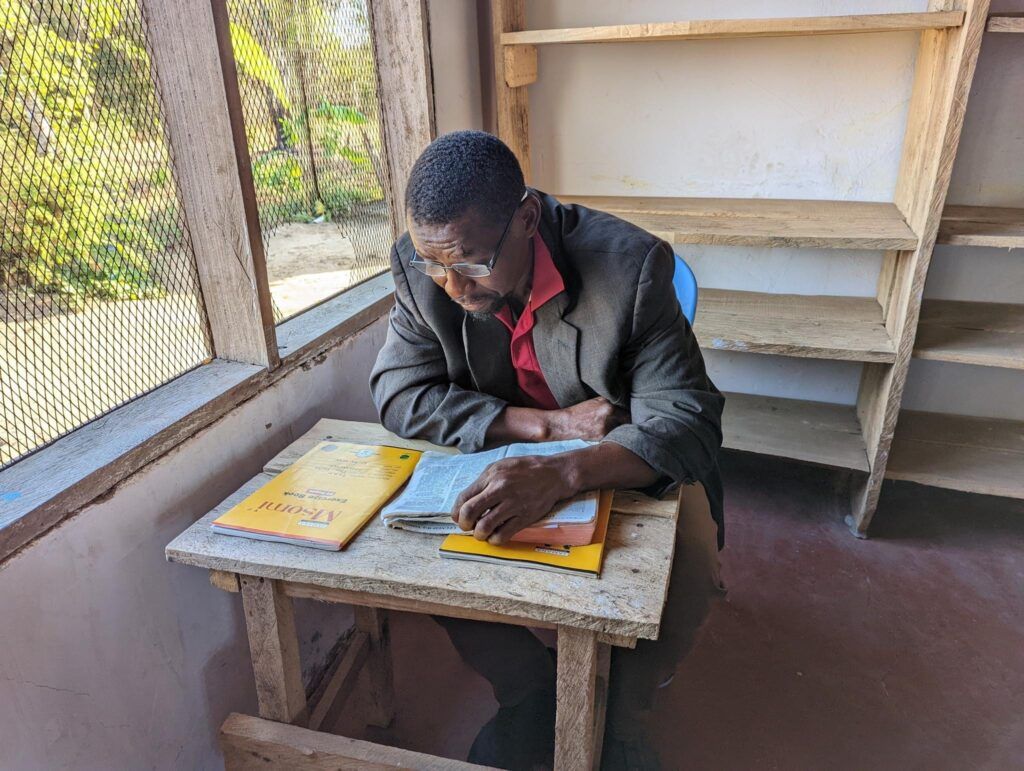
TSOP-Our school in Tanzania has been in operation since 2018 and sets the example for what sustainable ministry training is. Talawanda is on the coastal plains of Tanzania, in an area that is dominated by Muslims and tribal religions. As a traditional preaching school, we can house and train 20 brethren and their families at a time. Classes run on a normal academic calendar and last 7 hours each day. In addition to standard Biblical curriculum, students spend 2 hours each day working the school farm. Students engage in weekly evangelistic efforts They also evangelize locally. In Tanzania we have over 50 acres of ground that the school manages. They do gardens with crops such as peanuts, watermelons, cassava, corn, and others. They also raise goats, chickens, and rabbits. In addition to traditional livestock, they also have two aquaculture ponds for tilapia and catfish.
Resource/Learning Centers
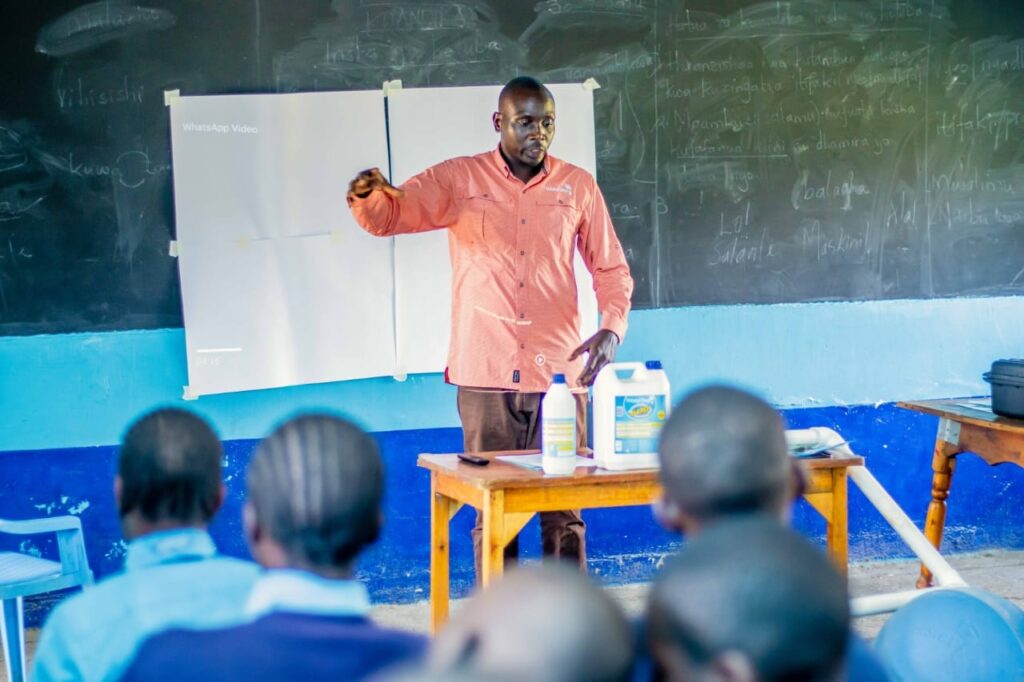
Our Learning Centers in Kenya & Nepal serve as a regional hub for practical biblical and agricultural training. Centrally located in the community, these centers provide short-term courses designed to strengthen congregations and equip individuals with skills they can immediately apply in their homes and villages. Courses cover foundational Bible study, teaching methods, leadership development, and sustainable agriculture practices suited to local conditions. Students receive classroom instruction along with structured hands-on fieldwork that reinforces daily lessons. These properties include demonstration plots where participants learn soil preparation, crop rotation, seed selection, composting, and water management techniques appropriate for small-scale farmers. In addition to crop production, students gain experience with poultry and small livestock management. These programs are designed to be accessible, practical, and reproducible so that graduates can return to their congregations better prepared to teach the gospel while improving food security and stability within their communities.